logo
Shanghai Tankii Alloy Material Co.,Ltd
About Us

Shanghai Tankii Alloy Material Co.,Ltd

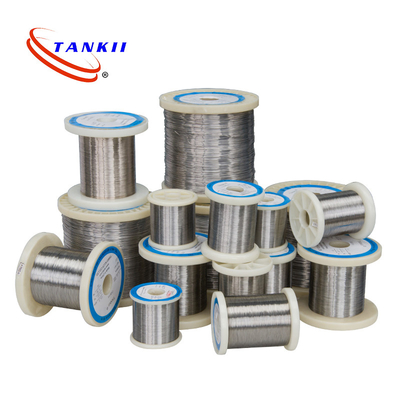
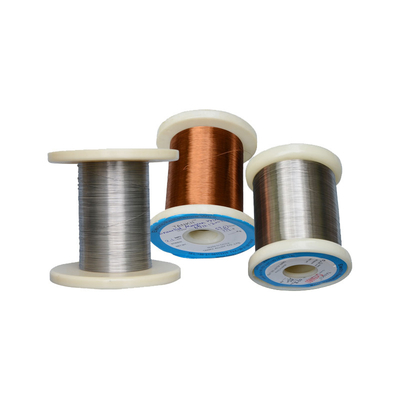
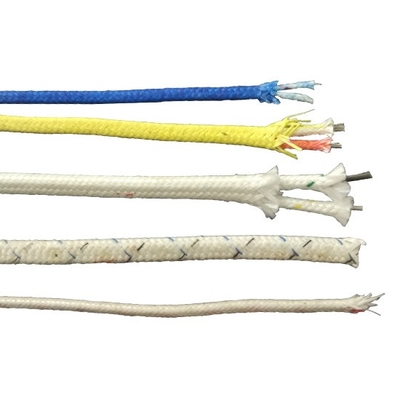
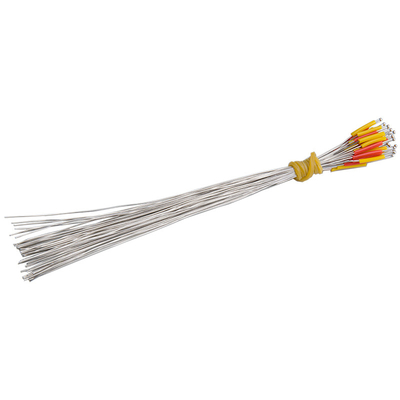
Shanghai Tankii Alloy Material Co., Ltd.specialized in production of Resistance Heating Alloy, Nickel Chromium Alloy, Iron Chromium Aluminum Alloy, Nickel Aluminum Alloy, Manganin, Copper Nickel Alloy, thermocouple wire, pure nickel and other precision alloy materials in the form of round wire, ribbon wire, sheet, tape, strip, rod and plate.We’ve already got ISO9001 quality system certificate and approval of ISO14001 environmental protection system.We own a complete set of advanced production ...
View More

1981

Year Established

100000000 +

Annual Sales

100 +

Employees

News
A Buyer’s Guide to Fe-Cr-Al: Field Lessons from 20 Years of Supply
2026-04-28
.gtr-container-fca789 { font-family: Verdana, Helvetica, "Times New Roman", Arial, sans-serif; color: #333; line-height: 1.6; padding: 16px; max-width: 100%; box-sizing: border-box; overflow-wrap: break-word; } .gtr-container-fca789 p { font-size: 14px; margin-bottom: 1em; text-align: left !important; } .gtr-container-fca789 strong { font-weight: bold; } .gtr-container-fca789 .gtr-fca789-main-title { font-size: 18px; font-weight: bold; color: #C8A264; margin-bottom: 1.5em; text-align: left; } .gtr-container-fca789 .gtr-fca789-section-title { font-size: 18px; font-weight: bold; color: #333; margin-top: 2em; margin-bottom: 1.5em; text-align: left; } .gtr-container-fca789 .gtr-fca789-subsection-title { font-size: 16px; font-weight: bold; color: #333; margin-top: 1.8em; margin-bottom: 1em; text-align: left; } .gtr-container-fca789 .gtr-fca789-sub-subsection-title { font-size: 15px; font-weight: bold; color: #333; margin-top: 1.5em; margin-bottom: 0.8em; text-align: left; } .gtr-container-fca789 ul { list-style: none !important; padding-left: 20px; margin-bottom: 1em; } .gtr-container-fca789 ul li { position: relative; padding-left: 15px; margin-bottom: 0.5em; font-size: 14px; text-align: left !important; list-style: none !important; } .gtr-container-fca789 ul li::before { content: "•" !important; position: absolute !important; left: 0 !important; color: #C8A264; font-size: 1.2em; line-height: 1; } .gtr-container-fca789 ol { list-style: none !important; padding-left: 25px; margin-bottom: 1em; counter-reset: list-item; } .gtr-container-fca789 ol li { position: relative; padding-left: 20px; margin-bottom: 0.5em; font-size: 14px; text-align: left !important; counter-increment: none; list-style: none !important; } .gtr-container-fca789 ol li::before { content: counter(list-item) "." !important; position: absolute !important; left: 0 !important; color: #C8A264; font-weight: bold; width: 18px; text-align: right; } .gtr-container-fca789 hr { border: none; border-top: 1px solid #eee; margin: 2em 0; } .gtr-container-fca789 .gtr-fca789-table-wrapper { overflow-x: auto; margin-bottom: 1.5em; } .gtr-container-fca789 table { width: 100%; border-collapse: collapse !important; margin-bottom: 1em; font-size: 14px; min-width: 600px; } .gtr-container-fca789 th, .gtr-container-fca789 td { border: 1px solid #ddd !important; padding: 10px !important; text-align: left !important; vertical-align: top !important; word-break: normal !important; overflow-wrap: normal !important; } .gtr-container-fca789 th { background-color: #f9f9f9; font-weight: bold !important; color: #333; } .gtr-container-fca789 tbody tr:nth-child(even) { background-color: #f0f0f0; } .gtr-container-fca789 .gtr-fca789-case-study { border-left: 4px solid #C8A264; padding-left: 15px; margin-bottom: 1.5em; background-color: #fcfcfc; padding-top: 10px; padding-bottom: 10px; } .gtr-container-fca789 .gtr-fca789-contact-info { margin-top: 2em; padding: 15px; border: 1px solid #eee; background-color: #f9f9f9; text-align: center; font-size: 14px; } .gtr-container-fca789 .gtr-fca789-contact-info strong { color: #C8A264; } @media (min-width: 768px) { .gtr-container-fca789 { padding: 24px 40px; max-width: 960px; margin: 0 auto; } .gtr-container-fca789 .gtr-fca789-main-title { font-size: 20px; } .gtr-container-fca789 .gtr-fca789-section-title { font-size: 19px; } .gtr-container-fca789 .gtr-fca789-subsection-title { font-size: 17px; } .gtr-container-fca789 .gtr-fca789-sub-subsection-title { font-size: 16px; } .gtr-container-fca789 table { min-width: auto; } } Tankii Technical Team With over 20 years of R&D and application experience in Fe-Cr-Al electric heating alloys, we focus on providing high-performance iron-chromium-aluminum resistance alloys for industrial kilns, household appliances, automotive exhaust treatment, and high-temperature heat treatment equipment. Working closely with hundreds of equipment manufacturers and end‑users worldwide, we transform high‑temperature alloy microstructure control and oxidation mechanisms into reliable, long‑term heat output inside your furnace. As the core material for electric heating elements operating in the 1000°C–1400°C range, Fe-Cr-Al alloy (Fe-Cr-Al wire) directly determines: Maximum service temperature and furnace process limits High‑temperature oxidation life (oxide scale growth and spallation behavior) Creep resistance (ability to maintain shape at high temperatures) Thermal cycling tolerance (cracking risk under frequent start‑stop conditions) Element replacement frequency and overall operating cost As a specialist manufacturer and solution provider for Fe-Cr-Al electric heating alloys for over 20 years, we serve the ceramic kiln, glass fiber heat treatment, domestic oven, hot air circulating oven, and high‑temperature laboratory furnace industries. This guide explains not only which Fe-Cr-Al grade best suits your operating conditions, but also analyzes key decision points from the perspective of volume purchasing and batch‑to‑batch consistency. Why Fe-Cr-Al is the First Choice for Ultra‑High‑Temperature Heating Elements – and Why It Must Be Handled with Care Fe-Cr-Al electric heating alloys are the mainstream materials capable of long‑term operation in the 1200°C–1400°C range. The dense α-Al₂O₃ oxide scale that forms on their surface has an extremely low oxygen diffusion rate, offering far superior oxidation resistance compared to nickel‑chromium alloys (which form Cr₂O₃ that starts to volatilize rapidly above 1200°C). However, Fe-Cr-Al has two distinct weaknesses: Low hot strength, prone to creep: Above 1100°C, the alloy’s yield strength drops sharply, making it susceptible to sagging, distortion, or even short circuits under its own weight or electromagnetic forces. High brittleness at room and low temperatures: Heating elements are easily cracked or broken by impact or bending when cold (especially after high‑temperature service), increasing installation and maintenance difficulty. Selecting the correct grade, controlling trace elements (especially rare earths), and following strict operating practices are the keys to leveraging Fe-Cr-Al’s advantages while avoiding its weaknesses. A proven selection sequence: Define operating temperature and furnace atmosphere Select appropriate Fe-Cr-Al grade Design correct surface load and support structure Evaluate long‑term creep data and batch consistency Verify supplier’s rare earth addition and grain size control capability Which Type of Fe-Cr-Al Alloy Is Best for Your Operating Conditions? The Fe-Cr-Al family consists of the following standard grades, with different aluminum (not nickel) and chromium contents defining different temperature ratings. 1️⃣ Standard High‑Temperature Grade: 0Cr21Al6 (or 0Cr21Al6Nb) Typical composition: Cr ~21%, Al ~6%, with trace Nb (niobium) or rare earths. Maximum service temperature: 1200°C–1300°C. Characteristics: Most widely used in conventional industrial furnaces. Niobium refines grain size and improves hot strength. Applications: Industrial electric furnaces, heat treatment furnaces, ceramic biscuit kilns, domestic dryer heaters. Key metrics: Grain size, type and content of rare earth addition, high‑temperature creep data. 2️⃣ Ultra‑High‑Temperature Grade: 0Cr25Al5 (or 0Cr27Al7Mo2) Typical composition: Cr ~25%, Al ~5% (or higher Al ~7% with Mo addition). Higher aluminum content raises the upper limit of oxidation resistance. Maximum service temperature: 1300°C–1400°C. Characteristics: Excellent ultra‑high‑temperature oxidation resistance. However, very high aluminum content further reduces room‑temperature ductility and increases processing difficulty. Applications: High‑temperature kilns (e.g., sintering furnaces, glass annealing lehrs), automotive exhaust gas purification catalyst carriers, laboratory muffle furnaces. Key metrics: Precise Al content control, 1000‑hour high‑temperature oxidation weight gain test data. 3️⃣ Long‑Life Anti‑Aging Grade: Rare Earth (Y, Ce, La) Modified Characteristics: Conventional Fe-Cr-Al above 1250°C suffers from Al₂O₃ scale spallation, leading to rapid aluminum depletion. Adding trace rare earths (yttrium, cerium, lanthanum, etc.) dramatically improves oxide scale adhesion and cyclic oxidation resistance. Life can be increased by 2 to 5 times. Applications: Intermittent furnaces with frequent thermal cycles (daily heating/cooling), high surface load elements. Key metrics: Rare earth type and content (typically tens to hundreds of ppm), cyclic oxidation test report. Important note: Many suppliers only state the grade without disclosing whether rare earths are added or which rare earths are used. This is a major source of cost and quality differences. Core Material Analysis: Aluminum Content, Rare Earth Control, and Grain Size Are the Lifeline The “roots" of Fe-Cr-Al lie in aluminum — aluminum is the basis for forming the protective Al₂O₃ scale. But beyond the nominal grade, the three core factors determining long‑term life are initial aluminum content and its consumption rate, the beneficial effect of rare earths, and grain structure control. Key control points: Aluminum content and consumption: Fe-Cr-Al continuously consumes aluminum to repair the oxide scale during service. When the aluminum content drops below a certain threshold (e.g., ~3%), the oxide scale “transforms" into Fe₂O₃/Cr₂O₃, leading to rapid oxidation and burnout. Therefore, higher initial aluminum content (and lower sulfur impurity) means longer potential life. Rare earth elements (Y, Ce, La): They are known as the “industrial MSG". Trace additions (
Read More
Latest company news about A Buyer’s Guide to Fe-Cr-Al: Field Lessons from 20 Years of Supply
The Professional's Guide to Sourcing Copper-Nickel Alloy (Cupro-Nickel Wire)
2026-04-14
.gtr-container-7f3d9e { font-family: Verdana, Helvetica, "Times New Roman", Arial, sans-serif; color: #333; line-height: 1.6; padding: 16px; box-sizing: border-box; max-width: 100%; overflow-x: hidden; } .gtr-container-7f3d9e p { font-size: 14px; margin-bottom: 1em; text-align: left !important; word-break: normal; overflow-wrap: normal; } .gtr-container-7f3d9e .gtr-heading-2 { font-size: 18px; font-weight: bold; margin-top: 1.5em; margin-bottom: 0.8em; color: #C8A264; text-align: left; } .gtr-container-7f3d9e .gtr-heading-3 { font-size: 16px; font-weight: bold; margin-top: 1.5em; margin-bottom: 0.8em; color: #333; text-align: left; } .gtr-container-7f3d9e .gtr-list-item-title { font-weight: bold; margin-bottom: 0.5em; font-size: 14px; } .gtr-container-7f3d9e .gtr-sub-item-title { font-weight: bold; margin-top: 1em; margin-bottom: 0.5em; font-size: 14px; } .gtr-container-7f3d9e .gtr-indent-block { padding-left: 20px; margin-bottom: 1em; } .gtr-container-7f3d9e ul { list-style: none !important; padding-left: 20px !important; margin-bottom: 1em; } .gtr-container-7f3d9e ul li { position: relative; font-size: 14px; margin-bottom: 0.5em; text-align: left; padding-left: 15px; list-style: none !important; } .gtr-container-7f3d9e ul li::before { content: "•" !important; color: #C8A264; position: absolute !important; left: 0 !important; font-size: 1.2em; line-height: 1; } .gtr-container-7f3d9e ol { list-style: none !important; counter-reset: list-item; padding-left: 25px !important; margin-bottom: 1em; } .gtr-container-7f3d9e ol li { position: relative; font-size: 14px; margin-bottom: 0.5em; text-align: left; padding-left: 20px; list-style: none !important; } .gtr-container-7f3d9e ol li::before { content: counter(list-item) "." !important; counter-increment: none; color: #333; position: absolute !important; left: 0 !important; font-weight: bold; width: 20px; text-align: right; } .gtr-container-7f3d9e .gtr-table-wrapper { overflow-x: auto; margin-bottom: 1.5em; } .gtr-container-7f3d9e table { width: 100%; border-collapse: collapse !important; border-spacing: 0 !important; margin-bottom: 1em; font-size: 14px; min-width: 600px; } .gtr-container-7f3d9e th, .gtr-container-7f3d9e td { border: 1px solid #ccc !important; padding: 10px !important; text-align: left !important; vertical-align: top !important; word-break: normal; overflow-wrap: normal; } .gtr-container-7f3d9e th { background-color: #f0f0f0; font-weight: bold !important; color: #333; } .gtr-container-7f3d9e tr:nth-child(even) { background-color: #f9f9f9; } .gtr-container-7f3d9e .gtr-contact-section { margin-top: 2em; padding-top: 1.5em; border-top: 1px solid #eee; text-align: center; } .gtr-container-7f3d9e .gtr-contact-section p { margin-bottom: 0.8em; } .gtr-container-7f3d9e .gtr-contact-link { display: inline-block; background-color: #C8A264; color: #fff; padding: 10px 20px; text-decoration: none; border-radius: 4px; font-weight: bold; margin: 5px; font-size: 14px; } .gtr-container-7f3d9e .gtr-contact-link:hover { background-color: #b38e5a; } .gtr-container-7f3d9e .gtr-emphasis { font-style: italic; } @media (min-width: 768px) { .gtr-container-7f3d9e { padding: 24px 32px; max-width: 960px; margin: 0 auto; } .gtr-container-7f3d9e .gtr-heading-2 { font-size: 20px; } .gtr-container-7f3d9e .gtr-heading-3 { font-size: 18px; } .gtr-container-7f3d9e p, .gtr-container-7f3d9e ul li, .gtr-container-7f3d9e ol li, .gtr-container-7f3d9e table { font-size: 14px; } .gtr-container-7f3d9e ol li::before { width: 25px; } .gtr-container-7f3d9e ol { padding-left: 30px !important; } .gtr-container-7f3d9e ol li { padding-left: 25px; } } Tankii Team With over 20 years of R&D and application experience in precision resistance alloys and thermocouple materials, we focus on providing high-quality copper-nickel alloys for electronic components, temperature sensors, marine engineering, and heat exchange equipment. Collaborating closely with hundreds of manufacturers and end‑users worldwide, we integrate material science with real‑world operating conditions to deliver stable, long‑term value for our clients. As the core material for precision resistors, thermocouples, and corrosion‑resistant components, the performance of copper-nickel alloy (cupro‑nickel wire) directly determines: Temperature stability of resistance (low temperature coefficient of resistance, TCR) Accuracy and consistency of thermoelectromotive force (EMF) Service life against seawater and stress corrosion Yield rate during processing and welding Long‑term reliability of the final product As a specialist manufacturer and solution provider for copper‑nickel alloys for over 20 years, we serve sensor manufacturers, instrumentation companies, marine equipment builders, and heat exchanger fabricators. This guide explains not only which copper‑nickel alloy best fits your application, but also analyzes key decision points from the perspective of volume purchasing and supply chain consistency. Why Selecting the Right Copper‑Nickel Alloy Is Critical Copper‑nickel alloys are used across electrical, electronic, thermal, and marine engineering fields, and the demands vary dramatically with each application. A qualified copper‑nickel material must simultaneously meet: Stable temperature coefficient of resistance (TCR) : For precision resistors, TCR should be near zero (e.g., Manganin). High thermoelectric stability : For thermocouple extension wires, the EMF deviation versus copper must be within a few tens of microvolts. Excellent corrosion resistance : For seawater piping, resistance to pitting and stress corrosion caused by Cl⁻ is essential. Good workability and solderability : Easy to wind into resistors, weld leads, or fabricate into tubes. Incorrect selection or poor quality control can lead to drift in precision power supplies, temperature measurement errors, perforation and leakage of seawater pipes, or even complete system failure. A Logical Selection Framework: Identify application (resistor / thermocouple / corrosion resistant) → Match copper‑nickel grade → Evaluate batch consistency and life → Verify supplier process control Which Copper‑Nickel Alloy Is Best for Your Application? Precision Resistance Alloys – Constantan and Manganin Constantan (CuNi40, CuNi44) Nickel content ~40‑44%, typical grade: CuNi44 Characteristics: High resistivity (~0.49 Ω·mm²/m), TCR can be compensated to near zero over a wide temperature range, high and linear EMF versus copper. Applications: Precision wirewound resistors, strain gauges, thermocouple extension wires (paired with copper or iron). Key metrics: EMF stability, TCR uniformity, oxidation resistance. Manganin (CuMn12, CuMn3) About 12% manganese, with a small amount of nickel. Characteristics: Extremely low TCR (±10 ppm/K), very low EMF versus copper. Applications: Standard resistors, current shunts, precision measuring instruments. Note: Sensitive to thermal stress; special care needed during soldering. Thermocouple‑Grade Copper‑Nickel – Extension Alloys Used to extend thermocouple signals. Common pairings: For Type K thermocouple: CuNi22 (KPX, KNX) For Type E/J: CuNi45 Core requirement: Over 0‑100°C or 0‑150°C, the EMF must match the characteristic of the corresponding thermocouple with error ≤ ±30 μV. Corrosion‑Resistant Copper‑Nickel – Cupronickel (CuNi10, CuNi30) CuNi10 (B10) : 10% nickel, 1% iron. Excellent resistance to impingement corrosion in seawater; used in marine condensers and heat exchangers. CuNi30 (B30) : 30% nickel, 0.5‑1% iron. Used for higher‑velocity seawater piping and offshore platform tubes. Characteristics: Nickel improves passive film stability; iron inhibits pitting. Key metrics: Grain size, depth of nickel depletion, corrosion resistance of the heat‑affected zone after welding. Low‑Resistivity Copper‑Nickel – Heating Cables and Special Resistors Nickel content 2‑6%, lower resistivity; used for current limiting, heating cables, or special coils. Core Material Analysis: Composition and Structural Uniformity Are the Lifeline For copper‑nickel alloys, especially precision resistance and thermocouple wires, uniformity of nickel content and trace element control directly determine batch‑to‑batch consistency. Key Control Points: Nickel content tolerance: For CuNi44, a 0.5% fluctuation in nickel changes resistivity by about 1% and can shift EMF by ±20 μV. For volume procurement, nickel content tolerance must be ≤ ±0.3%. Impurity elements: Iron (Fe), manganese (Mn), and cobalt (Co) significantly affect EMF and TCR. For example, Fe in CuNi44 exceeding 0.1% can cause EMF drift. Trace iron in Manganin increases TCR. Oxygen content: High oxygen leads to internal oxide inclusions, causing wire breakage during drawing or unstable resistance. Grain size: Fine grains improve strength, but uniform grain structure after annealing is essential for consistent performance. From a manufacturing perspective, vacuum melting plus controlled heat treatment is the foundation of high consistency. Every batch should be analyzed by spectrometry and tested for resistivity and EMF. Practical Insights from Our Manufacturing Experience Over the past 20 years, we have supplied copper‑nickel alloys to thousands of users worldwide. A few typical lessons stand out: Case 1 – Batch variation in thermocouple extension wire A well‑known instrument manufacturer purchased a batch of CuNi45 wire for Type K thermocouple extension cable. Customer feedback: cables from different batches showed an output deviation of up to 50 μV at the same temperature source, leading to scrapping of the entire batch. The root cause was poor control of nickel content and no EMF screening by the supplier. Lesson: For thermocouple materials, you must require pair‑tested EMF reports, not just composition certificates. Case 2 – Pitting failure of CuNi10 seawater pipe A marine heat exchanger using CuNi10 tubing developed multiple pitting leaks after only two years. Analysis showed that the iron content in the material was too low (
Read More
Latest company news about The Professional's Guide to Sourcing Copper-Nickel Alloy (Cupro-Nickel Wire)
Nickel Chromium Alloy (Nichrome Wire) Professional Procurement Guide: Selection, Practice & Bulk Purchase Considerations
2026-03-17
.gtr-container-pqr789 { font-family: Verdana, Helvetica, "Times New Roman", Arial, sans-serif; color: #333; line-height: 1.6; padding: 20px; max-width: 100%; box-sizing: border-box; } .gtr-container-pqr789 p { font-size: 14px; margin-bottom: 1em; text-align: left !important; } .gtr-container-pqr789 strong { font-weight: bold; } .gtr-container-pqr789 .gtr-main-title { font-size: 18px; font-weight: bold; color: #C8A264; margin-bottom: 1.5em; text-align: left; } .gtr-container-pqr789 .gtr-section-title { font-size: 18px; font-weight: bold; color: #333; margin-top: 2em; margin-bottom: 1em; text-align: left; } .gtr-container-pqr789 .gtr-subsection-title { font-size: 16px; font-weight: bold; color: #555; margin-top: 1.5em; margin-bottom: 0.8em; text-align: left; } .gtr-container-pqr789 ul, .gtr-container-pqr789 ol { list-style: none !important; margin: 1em 0; padding: 0; } .gtr-container-pqr789 ul li, .gtr-container-pqr789 ol li { font-size: 14px; margin-bottom: 0.5em; position: relative; padding-left: 20px; text-align: left; list-style: none !important; } .gtr-container-pqr789 ul li::before { content: "•" !important; position: absolute !important; left: 0 !important; color: #C8A264; font-size: 1.2em; line-height: 1; } .gtr-container-pqr789 ol { counter-reset: list-item; } .gtr-container-pqr789 ol li::before { content: counter(list-item) "." !important; position: absolute !important; left: 0 !important; color: #C8A264; width: 1.5em; text-align: right; line-height: 1; } .gtr-container-pqr789 table { width: 100%; border-collapse: collapse !important; margin: 1.5em 0 !important; font-size: 14px !important; table-layout: auto; } .gtr-container-pqr789 th, .gtr-container-pqr789 td { border: 1px solid #ccc !important; padding: 8px !important; text-align: left !important; vertical-align: top !important; word-break: normal; overflow-wrap: normal; } .gtr-container-pqr789 th { font-weight: bold !important; background-color: #f0f0f0; } .gtr-container-pqr789 tbody tr:nth-child(even) { background-color: #f9f9f9; } .gtr-container-pqr789 .gtr-table-wrapper { overflow-x: auto; -webkit-overflow-scrolling: touch; } .gtr-container-pqr789 .gtr-contact-info { margin-top: 3em; padding-top: 1.5em; border-top: 1px solid #eee; font-size: 14px; text-align: left; } .gtr-container-pqr789 .gtr-contact-info strong { color: #C8A264; } @media (min-width: 768px) { .gtr-container-pqr789 { padding: 30px 50px; max-width: 960px; margin: 0 auto; } .gtr-container-pqr789 .gtr-main-title { font-size: 24px; } .gtr-container-pqr789 .gtr-section-title { font-size: 20px; } .gtr-container-pqr789 .gtr-subsection-title { font-size: 18px; } } Nickel-Chromium Alloy (Nichrome Wire) Professional Procurement Guide: Selection,and Bulk Purchasing Considerations for Industrial Heating Elements Tankii TeamWith over 20 years of R&D and application experience in the industrial resistance alloy field, we focus on providing high-performance nickel-chromium alloy materials for heat treatment equipment, industrial furnaces, and new energy equipment. We work closely with hundreds of equipment manufacturers and end-users worldwide, dedicated to transforming material science into stable production benefits for our clients. As the core of electric heating equipment, nickel-chromium alloy (nichrome wire) directly determines the heating system's: Service Life Temperature Control Precision Energy Efficiency Maintenance Downtime Overall Operational Cost As a supplier specializing in high-end resistance alloy manufacturing and solutions for over 20 years, we support heat treatment plants, ceramic kiln users, and global procurement partners. This guide explains not only which alloy is most suitable for your specific operating conditions but also analyzes key decision points from the perspectives of bulk procurement and supply chain stability. Why Selecting the Right Nickel-Chromium Alloy is Crucial for Industrial Heating Most industrial heating elements face the multi-faceted challenge of high temperature, atmosphere, and load. A typical electrical heating alloy must simultaneously possess: High-Temperature Oxidation Resistance: Forming a dense protective film of Cr₂O₃ or Al₂O₃ on the surface. Sufficient High-Temperature Strength: Resisting deformation (creep) at elevated temperatures. Stable Resistivity: Ensuring constant power output. Unlike household appliances, industrial furnaces and kilns often contain trace corrosive atmospheres (e.g., sulfur, halogens, carbon). Incorrect alloy selection can lead to catastrophic intergranular corrosion (green rot) or overheating deformation, causing frequent shutdowns or even furnace scrapping. The Correct Selection Mindset:Analyze Operating Conditions → Match Alloy Grade → Evaluate Lifecycle vs. Cost → Verify Supply Stability What Type of Nickel-Chromium Alloy is Best for Your Operating Conditions? Different operating temperatures and environments require different alloy systems. 1️⃣ Nickel-Chromium Series (Ni-Cr Series) – Stable Austenite, High-Temperature Strength Recommended for: Operating temperatures ≤ 1200°C, especially in applications with vibration or requiring self-supporting elements. Core Advantages: High-Temperature Strength: After solution treatment, it resists deformation at high temperatures. Stable Austenitic Structure: Maintains good toughness after long-term use, resisting embrittlement. Excellent Processability: Can be drawn into very fine wires and formed into complex shapes. This is the most widely used and adaptable alloy series in industrial applications. 2️⃣ Nickel-Chromium-Iron Series (Ni-Cr-Fe Series, e.g., Ni60) – Economical, High Cost-Performance Recommended for: Operating temperatures ≤ 1100°C, in applications like household appliances or low-temperature industrial furnaces with undemanding atmospheres. Key Consideration:The increased iron content lowers the alloy's maximum service temperature and carburization resistance. Under high-temperature or carbon-rich atmospheres, its lifespan will be significantly shorter than the pure nickel-chromium series. 3️⃣ Iron-Chromium-Aluminum Series (Fe-Cr-Al Series, e.g., OCr25Al5) – Higher Temperature, but Different "Temperament" Recommended for: Kilns with operating temperatures up to 1400°C, in applications without vibration or harsh atmospheres. Advantages and Limitations: Advantages: Higher maximum service temperature, higher resistivity, lighter specific gravity. Limitations: Low high-temperature strength, prone to creep; high brittleness at room temperature, making repair and replacement difficult. Many engineers stock different alloy types to suit varying needs, from preheat zones to high-temperature zones within a single facility. Core Material Analysis: Why Alloy Purity and Trace Element Control are Critical For industrial-grade nickel-chromium alloys, matrix purity and trace element control often determine the final lifespan more than the nominal composition (e.g., 80Ni-20Cr). Key Control Points: Harmful Elements: Impurities like sulfur (S), phosphorus (P), and lead (Pb) must be controlled to extremely low levels (e.g.,
Read More
Latest company news about Nickel Chromium Alloy (Nichrome Wire) Professional Procurement Guide: Selection, Practice & Bulk Purchase Considerations
What is FeCrAl?
2026-01-06
.feal-comp-7g8h9k { font-family: Verdana, Helvetica, "Times New Roman", Arial, sans-serif; color: #333; line-height: 1.6; padding: 16px; box-sizing: border-box; } .feal-comp-7g8h9k .feal-title { font-size: 18px; font-weight: bold; margin-bottom: 20px; text-align: left; color: #0056b3; } .feal-comp-7g8h9k .feal-section-title { font-size: 16px; font-weight: bold; margin-top: 30px; margin-bottom: 15px; text-align: left; color: #0056b3; } .feal-comp-7g8h9k p { font-size: 14px; margin-bottom: 10px; text-align: left !important; } .feal-comp-7g8h9k ul, .feal-comp-7g8h9k ol { margin: 0; padding: 0; list-style: none !important; margin-bottom: 10px; } .feal-comp-7g8h9k ul li { position: relative; padding-left: 20px; margin-bottom: 8px; font-size: 14px; text-align: left !important; list-style: none !important; } .feal-comp-7g8h9k ul li::before { content: "•" !important; position: absolute !important; left: 0 !important; color: #0056b3; font-size: 14px; line-height: 1.6; } .feal-comp-7g8h9k ol { counter-reset: list-item; } .feal-comp-7g8h9k ol li { position: relative; padding-left: 25px; margin-bottom: 8px; font-size: 14px; text-align: left !important; counter-increment: none; list-style: none !important; } .feal-comp-7g8h9k ol li::before { content: counter(list-item) "." !important; position: absolute !important; left: 0 !important; color: #0056b3; font-weight: bold; font-size: 14px; line-height: 1.6; text-align: right; width: 18px; } .feal-comp-7g8h9k ol li ul { margin-top: 5px; margin-bottom: 0; padding-left: 15px; list-style: none !important; } .feal-comp-7g8h9k ol li ul li { padding-left: 15px; margin-bottom: 5px; list-style: none !important; } .feal-comp-7g8h9k ol li ul li::before { content: "–" !important; color: #555; font-weight: normal; font-size: 14px; left: 0; list-style: none !important; } @media (min-width: 768px) { .feal-comp-7g8h9k { padding: 24px 40px; } .feal-comp-7g8h9k .feal-title { font-size: 22px; margin-bottom: 25px; } .feal-comp-7g8h9k .feal-section-title { font-size: 18px; margin-top: 40px; margin-bottom: 20px; } .feal-comp-7g8h9k p { margin-bottom: 12px; } .feal-comp-7g8h9k ul li, .feal-comp-7g8h9k ol li { margin-bottom: 10px; } } Introduction to FeCrAl Alloy—A High-Performance Alloy for Extreme Temperatures FeCrAl, short for Iron-Chromium-Aluminum, is a highly durable and oxidation-resistant alloy designed for applications requiring extreme heat resistance and long-term stability. Composed primarily of iron (Fe), chromium (Cr), and aluminum (Al), this alloy is widely used in industrial heating, automotive, aerospace, and energy sectors due to its ability to withstand temperatures up to 1400°C (2552°F). When exposed to high temperatures, FeCrAl forms a protective alumina (Al₂O₃) layer on its surface, which acts as a barrier against further oxidation and corrosion. This self-healing property makes it superior to many other heating alloys, such as nickel-chromium (NiCr) alternatives, particularly in harsh environments. Key Properties of FeCrAl Alloy Outstanding High-Temperature Resistance FeCrAl maintains structural integrity even under prolonged exposure to extreme heat. Unlike other alloys that may degrade rapidly, FeCrAl’s aluminum content ensures the formation of a stable oxide layer, preventing material breakdown. Superior Oxidation & Corrosion Resistance The alumina scale that forms on FeCrAl protects it from oxidation, sulfurization, and carburization, making it ideal for use in furnaces, chemical processing, and petrochemical industries where corrosive gases are present. High Electrical Resistivity FeCrAl has higher electrical resistance than nickel-based alloys, allowing for more efficient heat generation with lower current requirements. This makes it an energy-efficient choice for electric heating elements. Long Service Life & Cost Efficiency Due to its slow oxidation rate and resistance to thermal cycling, FeCrAl heating elements last significantly longer than traditional alloys, reducing maintenance and replacement costs. Excellent Mechanical Strength at High Temperatures Even at elevated temperatures, FeCrAl retains good mechanical properties, preventing deformation and ensuring reliable performance in demanding applications. Common Applications of FeCrAl FeCrAl is used across multiple industries where high-temperature stability and corrosion resistance are critical. Some key applications include: Industrial Heating Elements Furnaces & Kilns – Used in heat treatment, annealing, and sintering processes. Electric Heaters – Found in industrial air heaters, molten metal heaters, and glass manufacturing. Automotive & Aerospace Glow Plugs & Sensors – Used in diesel engines for cold-start assistance. Exhaust Systems – Helps in reducing emissions and withstanding high exhaust temperatures. Household Appliances Toasters, Ovens, & Hair Dryers – Provides efficient and durable heating. Energy & Chemical Processing Catalytic Converters – Helps in reducing harmful emissions. Chemical Reactors – Resists corrosive environments in petrochemical plants. Semiconductor & Electronics Manufacturing Wafer Processing & CVD Furnaces – Ensures stable heating in high-precision environments. Why Choose Our FeCrAl Products? Our FeCrAl alloys are engineered to deliver maximum performance, durability, and cost-efficiency in the most demanding conditions. Here’s why our products stand out: Premium Material Quality – Manufactured under strict quality control for consistent performance. Customizable Forms – Available as wire, ribbon, strip, and mesh to suit various applications. Energy-Efficient Heating – Higher resistivity allows for lower power consumption. Extended Lifespan – Reduces downtime and replacement costs. Technical Support – Our experts can help select the best alloy grade for your needs. Conclusion FeCrAl is an indispensable alloy for industries that require high-temperature stability, corrosion resistance, and long-lasting performance. Whether used in industrial furnaces, automotive systems, or household appliances, its unique properties make it a superior choice over traditional heating alloys. Interested in learning more about our FeCrAl solutions? Contact us today to discuss how we can meet your specific requirements with high-quality, reliable FeCrAl products!
Read More
Latest company news about What is FeCrAl?
More Products
What Did They Say
May***
May***
We received the goods, everything went fine. Perfect packaging, good product quality, good price - we are satisfied.
Alfred***
Alfred***
I bought thermocouple wire from Selina, she is a very responsible lady,Tankii's products quality is pretty good.
I bought thermocouple wire from Selina, she is a very responsible lady,Tankii's products quality is  pretty good.
Matthew***
Matthew***
Qualified products. We may place more orders to TANKII.
Send your inquiry
Please send us your request and we will reply to you as soon as possible.
Send